The power field potential in the Philippines remains to be a dynamic and crucial arena for the country's economic growth and environmental health. With it affecting the daily lives of over 115 million Filipinos, understanding the state of Philippine Geothermal is necessary to build a sustainable economy in the long run.
Current Energy Landscape and Sources
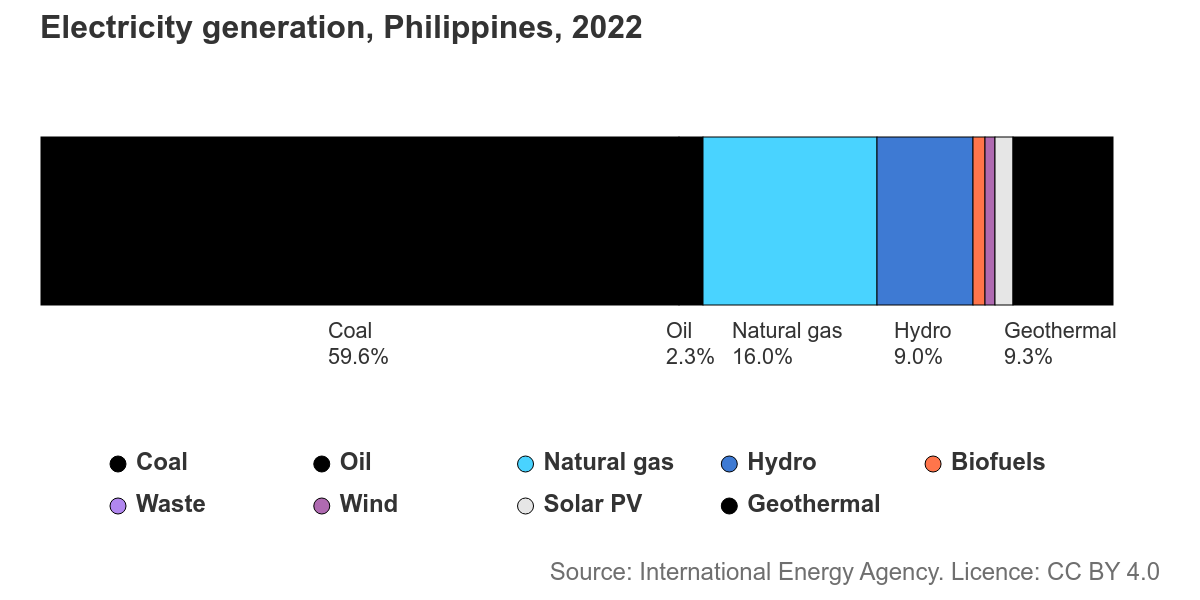
As of 2022, the Philipipnes relies on a diverse mix of energy sources. However, fossil-fuels still heavily dominate the energy mix; Coal being the most dominant sources among the rest providing a significant portion (~59%) of the entire country's power needs. With Geothermal and other renewables limping behind at a staggering ~19% contribution to the grid.
Infrastructure and Transmission
Major power grids are centered around the Philippines' three main islands, Luzon, Visayas, and Mindanao. Remote and far-flung areas have remained to be a challenge to develop and maintain. Private grid companies prioritize maintaining the mainlines rather than developing new branches to reach the rest of the population. This is why investments in transmission lines and micro-grids are vital to make sure that the Philippines has sufficient power distribution and manageable system losses.
Policy and Regulation
The Philippine Department of Energy (DOE) and the Energy Regulatory Commission (ERC) are the main government agencies overseeing the energy sector. In 2021, the DOE released the Green Energy Auction Program (GEAP) through which aims to boost investment in cleaner energy sources from private equity. The GEAP includes all RE sources from geothermal to hydro, with 8000 MW installed RE capacity as of 2024. The energy department has set a target of 30% share of RE in the energy mix by 2030, and 40% by 2050.
Challenges and Issues
Trailblazing always comes with roadblocks. Rising global fuel prices due to diplomatic conflicts impact electricity rates to end users; further pressing the need for grid stability through renewables. Right-of-way issues for infrastructure projects resulting in project delays that span from a couple of months to years. And the worldwide movement to reduce greenhouse gas emissions in conjunction with international climate treaties. Energy security remains a top priority, and renewables are the key to these challenges.
Recent Developments and Future Outlook
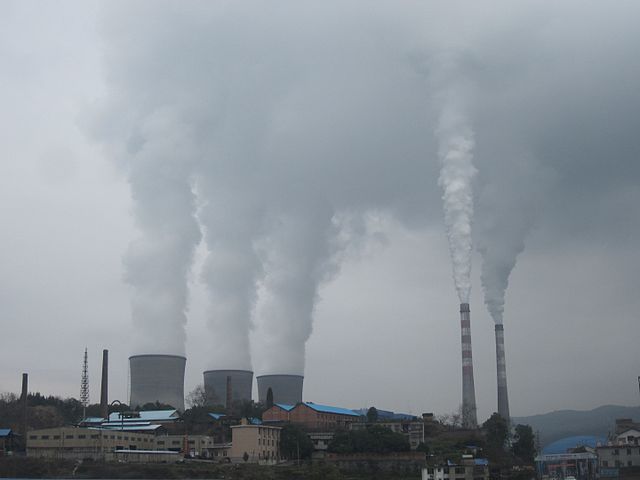
We have seen a new spark for change and a strong push for renewable energy these past few years. The Philipine government's suspension and moratorium on new coal-fired power plants is one of the indicators of a shift in the status-quo. Contracts awarded through the GEAP also indicate a strong interest from the private sector. This points towards a more diverse and sustainable energy mix, with investments predicted to generally be in renewable energy and grid modernization. The long term vision is clear: reduce dependence on imported fossil fuels and build a more independent, more resilient, and more environmentally friendly energy system.
Olympus Mons is strategically positioned within this evolving landscape. As a pioneering energy company dedicated to harnessing the power of geothermal energy, Olympus Mons directly addresses the Philippines' need for sustainable, reliable, and clean power. Our focus on a robust, indigenous resource like geothermal aligns perfectly with the nation's energy security goals and environmental aspirations, making us a vital contributor to the Philippines' sustainable energy future.